Why Your Event Videos Lack Real-Time Engagement (And How to Fix It)

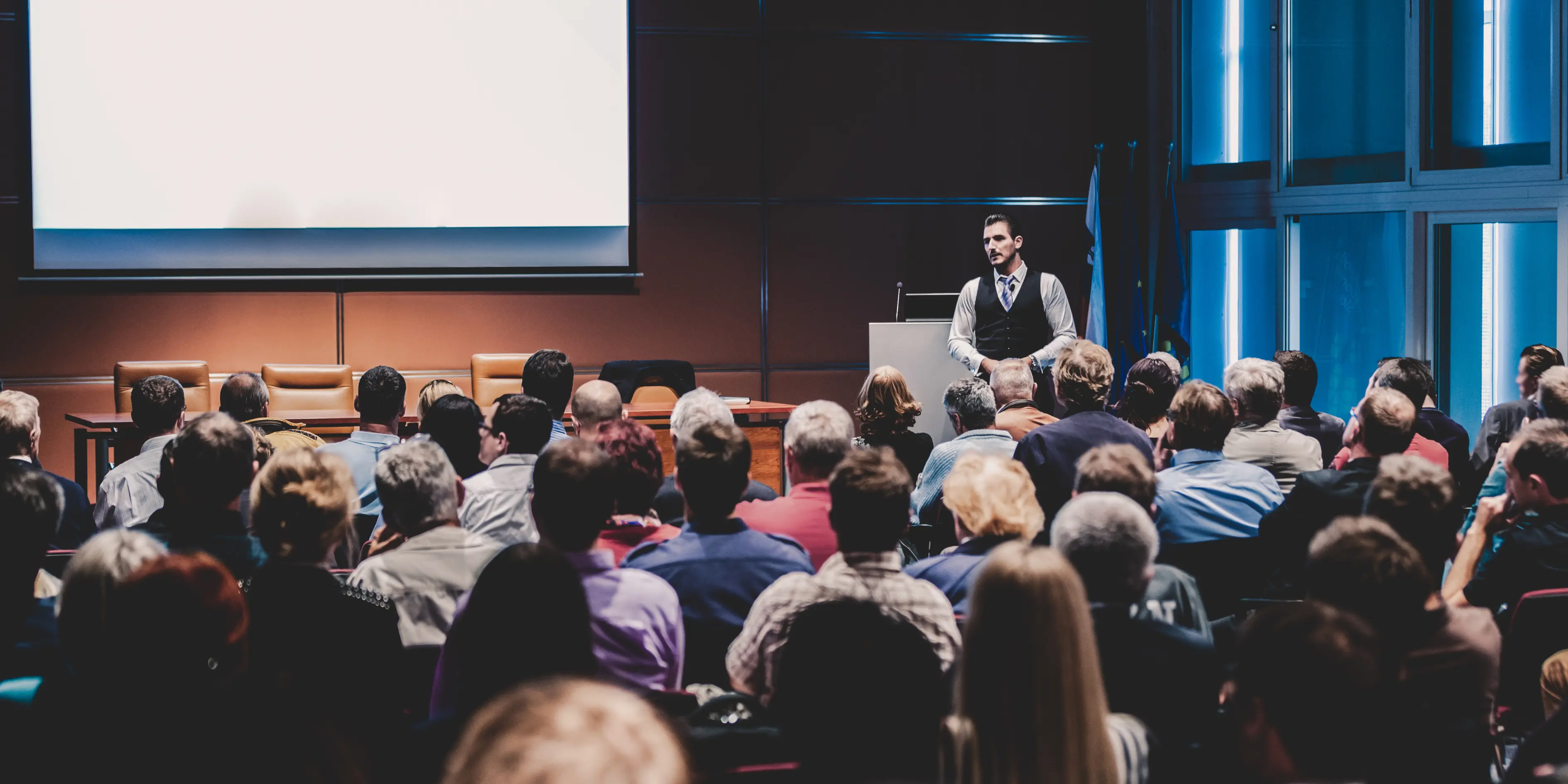
Most events today record every session, from keynotes and panels to workshops and discussions.
After the event, these recordings are uploaded to a content library or shared on platforms like YouTube. The expectation is simple: attendees will revisit the sessions they missed or rewatch the ones they found valuable.
But in reality, that rarely happens.
The issue usually isn’t the quality of the content. More often, it comes down to how that content is packaged and delivered after the event.
To understand why event videos often go unwatched, it helps to look at a few common challenges many event teams face.
1. Event Videos Are Too Long
Most event recordings are between 45 and 60 minutes long. While that makes sense for a live session, it often becomes a barrier when someone tries to revisit the content later.
For a busy professional, that's a big time commitment, especially when they're returning to a full inbox and a packed calendar after the event.
As a result, many attendees simply skip the recording altogether. Even people who enjoyed the session during the event often don’t go back to rewatch the full discussion.
The reality is that people aren’t always looking for full recordings. What they usually want are the key insights and takeaways from the session.
If the only format available is a full-length recording, the chances of people actually engaging with that content drop significantly, and many valuable ideas remain hidden inside recordings that very few people revisit.
2. Valuable Insights Are Hard To Find Inside Event Videos
Event recordings often contain multiple valuable insights within a single session. Panels and discussions can cover a wide range of topics, with useful ideas spread throughout the conversation. But these insights are buried inside long videos.
In many cases, recordings don’t include:
- Timestamps
- Structured summaries
- Highlighted key moments
- Searchable insights
This creates friction for viewers. Instead of quickly finding the information they want, they have to spend time searching through long videos, which most people simply give up on doing. When event content isn’t easy to search or navigate, attendees are far less likely to revisit it.
article-cta
3. Different Attendees Prefer Different Content Formats
Not everyone consumes information in the same way.
While some attendees enjoy watching full session recordings, others prefer faster ways to access the same insights. For example, some people may prefer:
- Reading short summaries
- Reviewing key takeaways
- Skimming highlights
- Listening to audio recaps
- Watching short clips from sessions
Today’s audiences are used to consuming information in multiple formats depending on their time and preferences. When event content is available only as long-form video recordings, it limits how many people can engage with it. Offering different formats makes it easier for more attendees to access and learn from the same event insights.
4. Event Videos Lack Context After The Live Experience
Most live sessions are designed to have a better impact on audiences who are present in the moment. Attendees are already familiar with the event theme, the speakers, and the flow of discussions.
Speakers may reference earlier sessions, audience reactions, or shared context that made sense during the event. But when someone watches the recording later, that context is often missing.
For someone who wasn’t part of the live experience, the session can feel harder to follow or less engaging. Without summaries or guidance, it becomes difficult to quickly understand the key message. What works well in a live setting doesn’t always translate to on-demand viewing. Without added context or structure, event recordings often lose impact after the live experience ends.
5. No Follow-Up Content Strategy
For many events, the content strategy ends once the recordings are uploaded. At best, organisers may send a single follow-up email with links to session recordings. After that, there is little effort to drive continued engagement.
Event content is rarely repurposed, promoted, or resurfaced at the right time.
Without a structured approach, the window of interest closes quickly after the event ends. Even valuable sessions lose visibility and remain unwatched. Post-event engagement doesn’t happen automatically; it requires a deliberate strategy. Without a strong approach to real-time event video engagement during the event itself, it becomes even harder to sustain audience interest afterwards.
How Rozie Synopsis Can Turn Event Knowledge Into Accessible Insights For Attendees
Even when event organisers recognise that their videos aren’t getting watched, the biggest challenge is knowing what to do instead.
A single event can generate hours of recordings, making it difficult to manually break down sessions, extract key moments, and repackage content in ways that people actually want to consume.
This is where Rozie Synopsis, an event experience platform, can help:
- Structured summaries and transcripts from event sessions: After the event, Rozie Synopsis helps capture, transcribe, and translate content from live events, turning sessions into clear summaries and key takeaways. This allows attendees to quickly understand what was discussed without watching a 45–60 minute video, solving the biggest barrier to engagement - time.
- Live insights that capture value in real-time: Instead of waiting for attendees to revisit recordings later, Rozie Synopsis surfaces short, human-friendly insights 30-60 seconds during the session itself to capture real-time event video engagement. These appear on venue screens and attendee devices, helping people capture key ideas instantly, without needing to rely on full video replays.
- Searchable knowledge for easy access: All insights are organised into a central hub where attendees can explore sessions by topic, speaker, or theme. Instead of sifting through videos, they can find the exact insight they’re looking for directly.
- AI Knowledge Advisor for instant discovery: Rozie Synopsis transforms event content into a searchable knowledge hub, helping teams instantly access key event insights even after the event ends. Attendees can revisit sessions, explore specific topics, and quickly find what they need.
- Audio summaries for flexible consumption: For attendees who prefer listening over watching or reading, Rozie Synopsis provides audio summaries. This makes it easier to consume event content while commuting, working, or multitasking, addressing the need for multiple content formats.
By turning live conversations into structured, searchable, and multi-format insights, Rozie Synopsis directly addresses the core reasons event videos go unwatched at a fraction of the cost. Instead of expecting attendees to sit through long recordings, it gives them faster, more practical ways to access and engage with the content.
Want to see how Rozie Synopsis can transform your event videos into searchable summaries and engaging content? Talk to our team to explore how it works for your events.
Takeaway
Recording event sessions is only the first step. The real value lies in making those insights easy to access, revisit, and use afterwards. Long videos alone rarely drive engagement, especially when attendees are short on time.
Structured summaries, searchable insights, and multiple content formats can significantly improve how attendees interact with event content after the event ends. When event knowledge is easier to access, its impact extends far beyond the live sessions.
Event videos shouldn’t just document what happened on stage. They should help attendees be part of the event community, and revisit, explore, and learn from the insights long after the event is over.