Live Event Translation: Keeping Global Audiences Aligned in Real Time

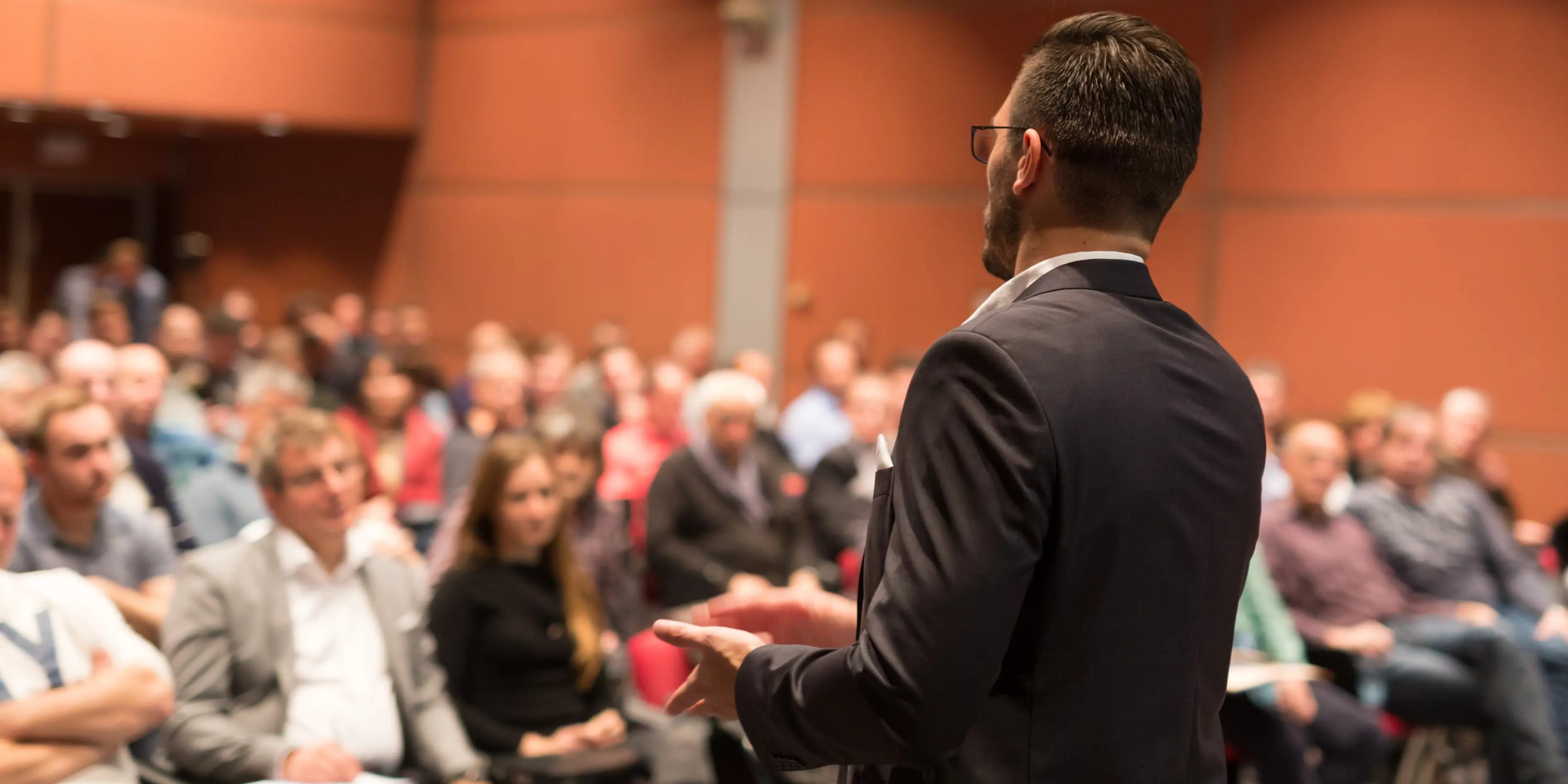
International events attract diverse audiences. Attendees fly in from different regions, speak different languages, and expect to engage with content in an easy, accessible way. But when sessions are delivered in a single language without structured translation support, a significant portion of the audience experiences the event passively or worse, disengages entirely.
This is a challenge that often appears among the most common attendee frustrations at large conferences. But it isn’t just an accessibility issue; it’s also a revenue problem. When non-native speakers struggle to follow keynotes, sponsors lose visibility across international segments, and organizers leave engagement and retention metrics on the table.
Why Traditional Translation Solutions Fail
Most events rely on one of three approaches to address language barriers, and all three create operational or experiential friction:
- Live human interpreters require dedicated booths, specialized equipment, and headsets for attendees. It is time-consuming, expensive, and difficult to scale across multi-track events
- Post-event dubbed recordings arrive weeks after the event ends. By the time translated content is available, attendees have moved on, sponsors have stopped tracking engagement, and renewal conversations are already underway
- Auto-generated captions struggle with specialized industry terminology. At a cybersecurity conference, phrases like “zero trust architecture” can be easily misinterpreted, while healthcare sessions referencing complex treatment protocols may be misinterpreted. When terminology is wrong, captions and translations can confuse attendees rather than clarify the discussion
What’s Missing Between Translation and Business Outcomes
What international events actually need is live event translation that integrates with content capture, supports thematic organization, and extends sponsor visibility across language segments.
This requires three fundamental shifts:
Shift 1: From Sequential Translation to Simultaneous Insight Delivery
Instead of translating full transcripts after sessions end, key insights need to be translated and surfaced in real time. This allows non-native speakers to follow along without equipment, sponsors to see their aligned topics resonating across language groups, and organizers to track engagement by region during the event.
Shift 2: From Separate Language Streams to a Unified Knowledge Infrastructure
Traditional translation creates separate content streams for each language. But when insights are organized by theme and translated within a unified hub, sponsors gain visibility across all language groups, and attendees can explore topics regardless of the language they prefer. This makes sponsor ROI measurable across international audiences.
article-cta
Shift 3: From Translation as Accessibility to Translation as Content Asset
Post-event translated summaries become reusable marketing assets. A session delivered in English can generate localized insights in German, French, Spanish, and Mandarin, without manual translation work. This turns three days of content into months of regionally relevant assets, supporting broader event content repurposing strategies.
Without this infrastructure, international events fragment into language-specific experiences that reduce sponsor reach and limit content lifecycle value.
How Rozie Synopsis Enables Real-Time Translation at Scale
Rozie Synopsis serves as the event experience layer, connecting live event translation with structured event content. Instead of treating translation as a standalone service, it integrates language processing directly into how insights are captured, organized, and reused across the event lifecycle.
Real-Time Translation During Sessions
As speakers present, Rozie Synopsis captures the live audio feed and generates structured insights throughout the session. Key takeaways appear on the venue screen and attendee devices, helping international audiences follow discussions more easily.
These insights can be translated into multiple languages, allowing non-native speakers to quickly understand the main points without waiting for full transcripts or relying on specialized equipment.
This approach helps attendees:
- Follow complex discussions even if the session language is unfamiliar
- Stay engaged across parallel sessions and tracks
- Absorb key insights in real time instead of catching up later
If events want to have live multi-lingual transcript and captions, they can enable it also
Strategic Value Across International Markets
When translation is integrated with structured content capture, its value extends beyond accessibility.
This enables:
- Sponsors to see how topics resonate across international audiences
- Marketing teams to repurpose translated summaries into localized content
- Attendees to revisit key insights in their preferred language after the event
- Organizers to track engagement and demonstrate ROI across global audience segments
Rather than producing isolated translated transcripts, the event generates insights that remain searchable, measurable, and reusable across markets long after the sessions end, helping maintain engagement with the international event community year-round.
Your Global Audience Is There, But Can They Follow the Conversation?
International events bring together diverse audiences, but when sessions run in a single language without structured live event translation, many attendees struggle to follow key discussions.
Without real-time insights and translated takeaways, international attendees miss key points, sponsors lose visibility across language segments, and valuable event knowledge becomes fragmented across audiences.
Rozie Synopsis captures live insights and translates key takeaways into multiple languages, organizing them in a searchable knowledge hub that keeps global audiences aligned long after the event ends.
Talk to us to learn more.