10 Best Colorado Conference Venues for Large-Scale Events in 2026


Choosing the right venue shapes everything else about a conference. Capacity, layout, and location decide how attendees move, network, and engage long before the first keynote starts.
Colorado conference venues range from downtown convention centers to mountain resorts built for multi-day programming. Meeting professionals now rank capacity and size as their top venue priority, ahead of cost or amenities, according to 2026 industry research.
This guide breaks down 10 venues across Denver, Colorado Springs, and the mountain corridor, with the specifics organizers need to shortlist with confidence.
Key Takeaways from the Best Colorado Conference Venues
1. Colorado Convention Center, Denver
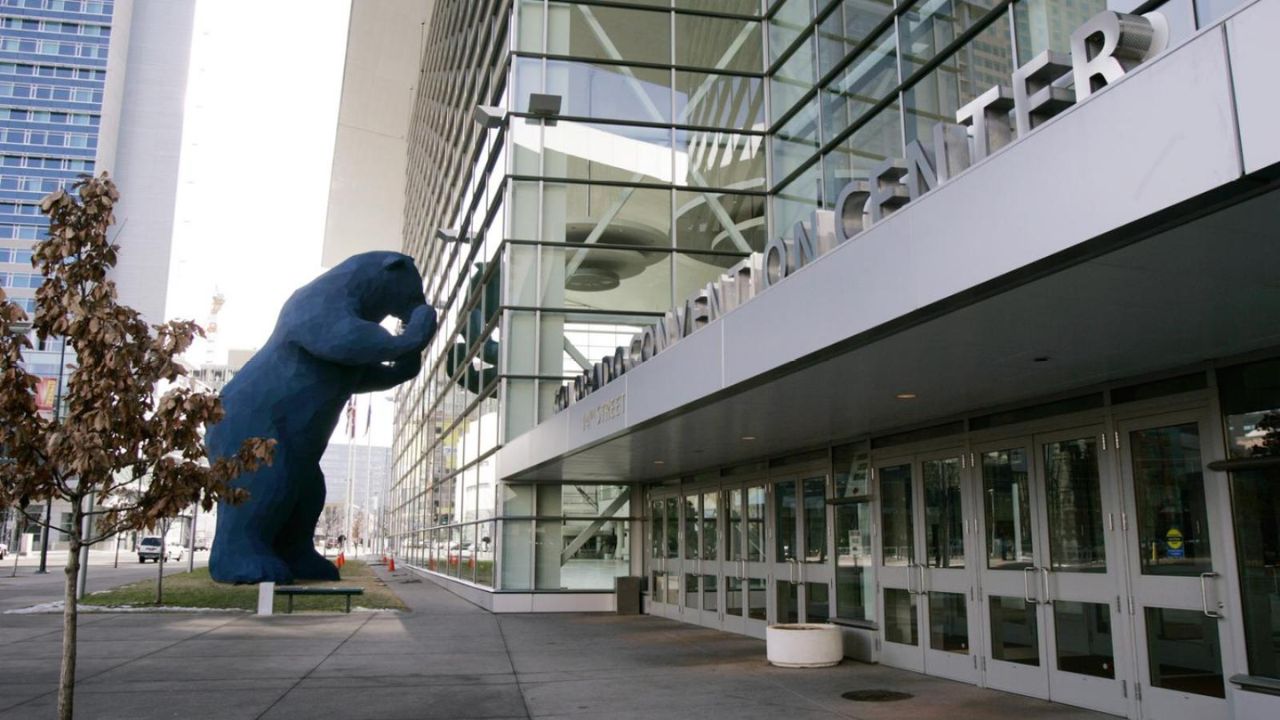
Denver's flagship venue anchors the city's downtown core and remains the default choice for large trade shows and multi-track conferences.
Location: Downtown Denver, within walking distance of 13,000 hotel rooms and the 16th Street Mall.
Infrastructure:
- 580,000 square feet of exhibit space, plus the new 85,000-square-foot Blue Bird Ballroom
- 5,000-seat Bellco Theatre and 63 meeting rooms for breakout sessions
Strategic advantage: For organizers, downtown placement removes the single biggest logistical headache of large events: getting attendees from hotel to venue without shuttles.
- Walkable hotel inventory cuts transportation costs and no-show risk
- A proven convention and trade show track record simplifies sponsor sign-off
Best for: Trade shows, industry conventions, and conferences exceeding 5,000 attendees.
2. Gaylord Rockies Resort & Convention Center, Aurora

This combined resort and convention facility sits minutes from Denver International Airport, making it one of the most accessible large-scale venues in the state.
Location: Aurora, 8.5 miles from Denver International Airport.
Infrastructure:
- Over 500,000 square feet of indoor and outdoor meeting space
- 1,500 on-site guest rooms, plus a newly added event pavilion
Strategic advantage: Organizers running multi-day conferences benefit most from properties where lodging and meeting space sit under one roof.
- On-site lodging for 1,500 attendees removes the need for off-site room blocks
- Airport proximity shortens travel time and missed-flight disruptions
Best for: Multi-day conferences and hybrid programs needing on-site accommodation at scale.
3. The Broadmoor, Colorado Springs
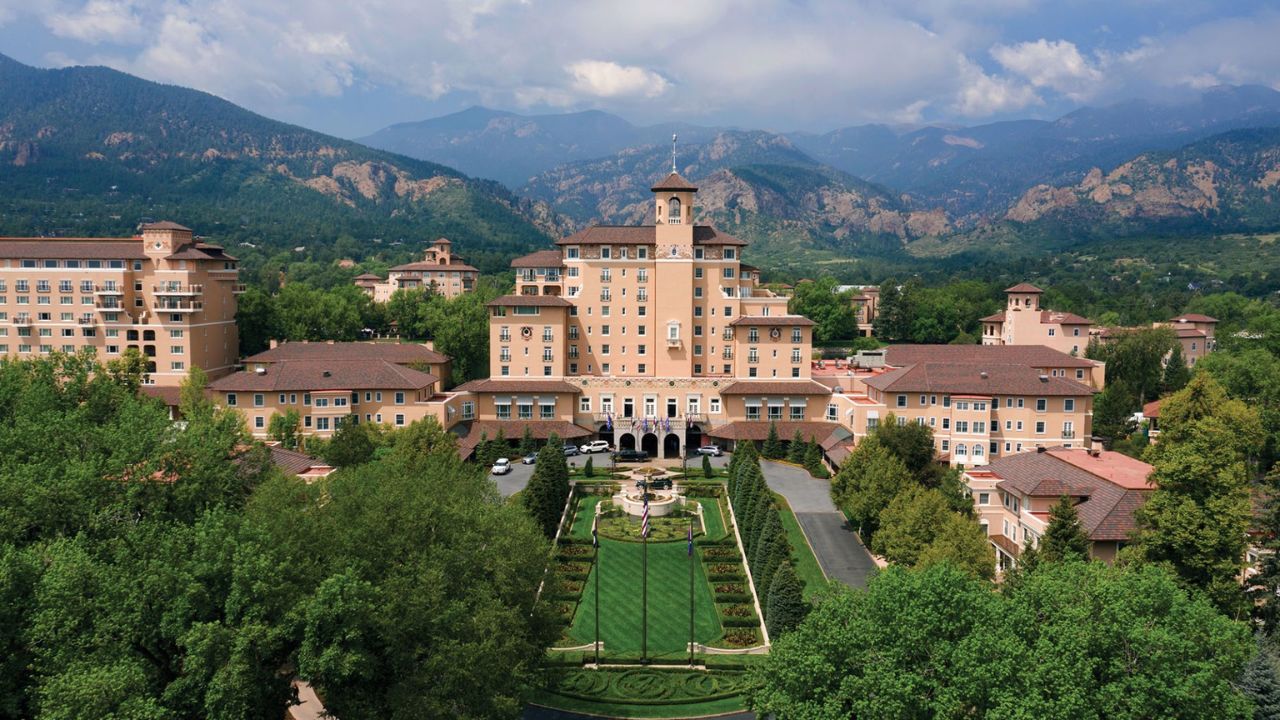
A five-star resort operating since 1918, The Broadmoor pairs conference infrastructure with a high-end retreat setting at the base of the Rockies.
Location: Colorado Springs, set on 5,000 acres at the foot of the Rocky Mountains.
Infrastructure:
- Over 315,000 square feet of flexible meeting space, plus an adjoining 200,000-square-foot convention center
- 784 rooms and suites for overnight attendees
Strategic advantage: For organizers hosting executive-level events, venue prestige influences attendance and sponsor interest before the agenda is finalized.
- High-end positioning supports premium sponsorship packages and pricing
- Two connected venue options allow concurrent programming under one address
Best for: Executive retreats, association conferences, and high-end industry summits.
4. Keystone Conference Center, Keystone

Keystone is the largest dedicated conference facility in the Colorado Rockies, built specifically for multi-day corporate programming away from city distractions.
Location: Lakeside Village, Keystone Resort, at an elevation of 9,280 feet.
Infrastructure:
- Over 100,000 square feet of pillar-less meeting space across three ballrooms
- On-site lodging across 400+ condominiums and one 150+ unit hotel.
Strategic advantage: Removing attendees from a city setting changes how they engage, and organizers running strategy-heavy conferences often see that shift in session participation.
- Pillar-less rooms allow unobstructed sightlines for general sessions
- A documented history with Fortune 500 clients eases vendor due diligence
Best for: Executive strategy retreats and multi-day corporate conferences prioritizing focus over city access.
5. Sheraton Denver Downtown Hotel

Connected to Denver's business district by location and steps from the Colorado Convention Center, the Sheraton functions as both a standalone venue and a convention-adjacent hotel.
Location: 16th Street Mall, Downtown Denver.
Infrastructure:
- 139,165 square feet of meeting and exhibit space across 54 conference rooms
- Completed an $80 million property-wide renovation
Strategic advantage: Booking a hotel-based venue's rooms and meeting space together simplifies the RFP process for mid-sized conferences.
- Proximity to the Colorado Convention Center supports overflow programming
- LoDo's dining and entertainment district sits within walking distance for evening events
Best for: Mid-sized conferences and corporate meetings needing downtown access without convention-center scale.
article-cta
6. Beaver Run Resort & Conference Center, Breckenridge

Beaver Run combines ski-town accessibility with meaningful conference infrastructure, making it one of Breckenridge's most-booked group venues.
Location: Breckenridge, at the base of Peak 9.
Infrastructure:
- 40,000 square feet of flexible meeting space across 23 rooms
- 522 on-site guest rooms, with capacity for receptions up to 1,000 guests
Strategic advantage: Smaller mountain towns like Breckenridge give organizers a genuine alternative to Denver pricing without sacrificing professional infrastructure.
- Free shuttle access removes the need for organizer-arranged transit
- Lower destination costs relative to Denver free up budget for programming
Best for: Mid-sized corporate conferences and incentive-style meetings in a resort setting.
7. Ranch Events Complex, Loveland

The Ranch Events Complex delivers convention-center-scale capacity 40 minutes north of Denver, at a fraction of downtown pricing.
Location: Loveland, roughly 40 minutes north of Denver.
Infrastructure:
- Over 375,000 square feet of versatile event space across multiple buildings
- Budweiser Events Center, seating 6,500, plus a dedicated trade show building
Strategic advantage: Organizers running trade-show-style events with heavy exhibitor footprints need flat, reconfigurable space more than a downtown address.
- Flat-floor layouts simplify exhibitor booth planning
- Lower facility costs than downtown Denver free up budget for sponsor activations
Best for: Trade shows, exhibitions, and large-scale events with significant exhibitor space needs.
8. Copper Mountain Conference Center, Copper Mountain

Copper Mountain's conference facility sits at the base of two chairlifts, giving organizers a mountain setting without Keystone's scale or pricing.
Location: Center Village, Copper Mountain, at the base of American Eagle and American Flyer lifts.
Infrastructure:
- 16,000 square feet of meeting space, configurable for up to 740 attendees
- Year-round operation with on-site dining and lodging nearby
Strategic advantage: A smaller mountain venue gives organizers room to negotiate on rate while still delivering the resort-conference experience attendees expect.
- Compact size supports faster room turnover between sessions
- Year-round operation removes seasonal availability constraints
Best for: Smaller corporate conferences and multi-day meetings under 750 attendees.
9. Cheyenne Mountain Resort, Colorado Springs

Cheyenne Mountain Resort offers a mountain-adjacent alternative to The Broadmoor, with meaningful meeting space at a more moderate price point.
Location: Colorado Springs, at the base of Cheyenne Mountain.
Infrastructure:
- 63,000 square feet of meeting space with mountain and lake views
- On-site golf course and team-building activity options
Strategic advantage: Organizers comparing Colorado Springs options often need a tier between convention-center scale and boutique hotel space.
- Mid-tier capacity fits conferences too large for boutique venues but smaller than convention centers
- Lake and mountain views reduce the need for separate networking-event venues
Best for: Corporate retreats and mid-sized conferences in the Colorado Springs market.
10. The Antlers, A Wyndham Hotel, Colorado Springs

A downtown Colorado Springs property, The Antlers gives organizers a city-center option without the resort pricing of The Broadmoor or Cheyenne Mountain.
Location: Downtown Colorado Springs.
Infrastructure:
- 27,500 square feet of function space across multiple room configurations
- Walkable downtown access and easy reach to Colorado Springs Airport
Strategic advantage: Not every conference needs resort amenities, and organizers running tighter budgets benefit from a venue priced for function over scenery.
- Lower per-square-foot costs than resort-style alternatives in the same market
- Straightforward booking compared to multi-building resort properties
Best for: Mid-sized conferences and corporate meetings prioritizing budget and downtown access.
Choosing the Right Venue for Your Conference
Square footage and seating capacity only tell part of the story. Colorado conference venues span downtown convention centers, mega-resorts, and mountain conference centers, each suited to a different combination of attendee count, budget, and agenda style.
Before finalizing a shortlist, organizers should weigh a few factors beyond the brochure numbers:
- Match capacity to actual attendance, not the optimistic registration target
- Confirm room block availability before locking in dates, especially at resort properties during peak season
- Account for altitude at mountain venues, since sessions and catering plans may need adjusting above 8,000 feet
The venue decides how attendees move through a conference. What happens to the event content generated inside it is a separate decision entirely, and one that has a far bigger impact on sponsor renewals than square footage does.
This is where the venue and the event experience platform running inside it work together rather than separately. Rozie Synopsis captures live AV feeds during sessions and turns them into a post-event knowledge hub, so the value of a conference doesn't end when attendees check out of their hotel rooms.
Organizers comparing venues can also weigh how each one supports sponsor ROI metrics like engagement depth and content repurpose value, both of which depend more on what's captured inside the room than on the room itself.
For a closer look at what this means for a specific event, organizers can talk to the team.