7 EdTech Conference Marketing Ideas That Actually Work in 2026

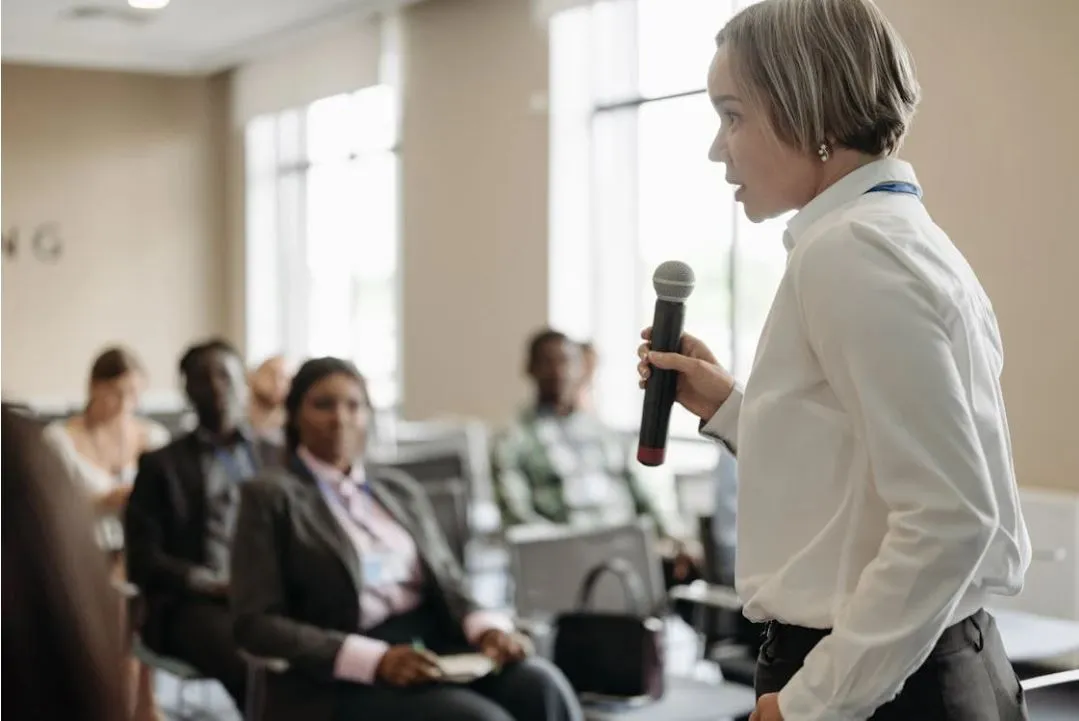
Attendees no longer arrive at an edtech conference without doing their research first. They walk the expo floor, having already reviewed three competitors online. They expect a conversation tailored to their school's actual challenges, not a product pitch built for everyone.
An edtech conference 2026 strategy built on last year's playbook will struggle. Most booths look the same, run the same demo, and follow up the same way. The vendors pulling ahead are doing something different at every stage, before, during, and after the event.
Why EdTech Conferences Need a Sharper 2026 Playbook
Education buyers are more skeptical than they used to be, and they have less patience for theater. They want proof that a tool solves a real classroom or district problem, not a flashy demo.
In-person events remain the strongest channel for that proof. Attendees notice when a booth still runs on last year's tactics.
An edtech conference strategy competing for attention now needs three things working together:
- A pre-event plan that books real conversations with decision-makers, not just badge scans
- Booth experiences that let educators test the product instead of watching it
- A post-event follow-up system that treats a demo watcher differently than a badge scanner
The sections below break down each one with tactics that go beyond what is already ranking for this topic.
1. Turn Your Booth Into a Hands-On Classroom
A static product display tells an educator almost nothing about how a tool performs in a real classroom. Hands-on experience does the convincing a sales pitch cannot.
Two formats are working well at edtech events right now:
- Gamified booth passes: Give attendees a digital pass tied to your booth, where completing a short product walkthrough or quiz unlocks a premium license upgrade or a small prize. This gives educators a concrete reason to stop rather than walk past.
- VR and AR demo zones: Let attendees physically step into the learning environment your product creates. A district IT lead who tries on a headset and walks through a virtual classroom remembers that experience well after the conference ends.
Both formats also generate first-party data on which features attendees actually interact with, not just which booth they visited.
2. Book Decision-Maker Meetings Before the Doors Open
Most high-value booth conversations still happen by chance. That is not a reliable strategy when your team has three days and limited staff time.
AI matchmaking through the official event app lets vendors identify and schedule 1-on-1 meetings with principals, district IT leads, and investors before the event begins.
Freeman's 2025 research found that 58% of attendees rank networking as their top reason for attending, ahead of session content. Pre-booked meetings convert that motivation into outcomes.
3. Replace the Generic Demo With an Institutional Audit
Running the same product walkthrough for every visitor wastes the most valuable thing you have at an event: the attention of a decision-maker.
Offer pre-booked 15-minute sessions where your team reviews the attendees' specific school or district challenges and shows exactly how your product addresses those challenges. This kind of preparation works particularly well alongside multi-track conference schedules, since decision-makers can plan their day around meetings that already matter to them.
It also changes the dynamic of the conversation. You are no longer pitching. You are problem-solving.
article-cta
4. Let Educators and Influencers Vouch for the Product
A vendor talking about their own product will always sound like a vendor. An educator who has used it carries credibility no booth banner can match.
Two approaches work here:
- Micro-influencer panels: Invite well-known EdTech bloggers, local educators, or respected classroom voices to co-host a short workshop or live session at your booth. Their audience trusts them because they are not selling anything, which makes the endorsement land differently.
- User-generated content at the booth: Encourage visitors to test the product on camera and share a quick reaction in exchange for event merchandise. Content posted by someone the audience already follows travels further than anything produced in-house.
This also extends your conference reach beyond the attendees physically in the room.
5. Build a Follow-Up System That Matches the Interaction
Most conference leads go cold within a week, not because the interest was not real, but because the follow-up treated every attendee the same way.
Segmented automated follow-up fixes that by matching the message to the depth of engagement:
- Someone who sat through a 15-minute institutional audit needs a detailed, personalized email sequence.
- Someone who scanned their badge while walking past needs a lighter, awareness-level sequence.
- Someone who completed a gamified booth pass sits somewhere in between.
Sending the same generic thank-you to all three wastes the deeper engagement already built during the event. According to American Express GBT's 2026 forecast, only 36% of event planners currently use formal ROI measurement tools. Most vendors cannot prove their follow-up is working even when it is.
6. Extend Conference Content Into On-Demand Webinars
A strong booth session or panel discussion should not disappear when the conference ends. Package the most useful conference content into a webinar that reaches everyone who could not attend in person.
This turns a three-day event into weeks of additional reach and gives your sales team a content asset they can share during follow-up sequences. It also keeps your product visible to educators who were not yet ready to engage during the event itself.
Pair this with breakout session content repurposing to cover every track your team participates in, not just the main stage.
How Rozie Synopsis Helps EdTech Vendors Convert Conference Conversations
One of the most consistent gaps in edtech conference marketing is what happens after the event ends. Booth conversations fade, badge scan lists go flat, and the content from two days of sessions disappears from memory faster than most vendors expect.
Rozie Synopsis is an event experience platform that addresses that gap directly. It captures live session and booth content in real time and converts it into structured post-event knowledge, so follow-up segmentation is based on actual interaction data rather than a flat attendance list.
Here is what Rozie Synopsis delivers for edtech conference vendors:
- Multi-modal lead capture: Capture leads through voice-to-text, business card scan, badge scan, QR code, or manual entry, with each interaction unified into a clean contact record.
- Structured conversation capture: Record booth conversation context without forcing sales teams to break the flow of the discussion or rely on memory after the event.
- AI-generated conversation insights: Turn booth interactions into structured summaries that include buyer intent, key needs, objections, and recommended next steps.
- CRM sync: Send captured conversations and AI-generated insights into CRM systems such as Salesforce, HubSpot, or Zoho, reducing manual cleanup after the conference.
- Meeting scheduling: Book follow-up meetings while interest is still high, instead of waiting until after the event to restart the conversation.
- Performance analytics: Track conversations per day, product interest, engagement trends, and team activity, so vendors can understand which booth interactions created real sales momentum.
- Automated follow-up: Support faster post-event activation by using conversation context to trigger more relevant follow-up instead of sending the same generic email to every badge scan.
If you want to understand how Rozie Synopsis can support your edtech conference strategy, talk to the team.
What Makes the Difference at EdTech Conferences in 2026
Edtech conference 2026 teams that are doing well are not necessarily spending more. They are planning earlier, building booth experiences educators want to complete, using peer voices to build credibility, and following up based on what each attendee actually did.
None of that requires a bigger budget. It requires a sharper plan for the time and data already in front of you. The vendors who treat the conference as the start of a relationship, rather than a three-day pitch, are the ones building something that lasts past the expo floor.