The Defining Event Leadership Trends Shaping 2026: Navigating a New Era of Engagement and Intelligence

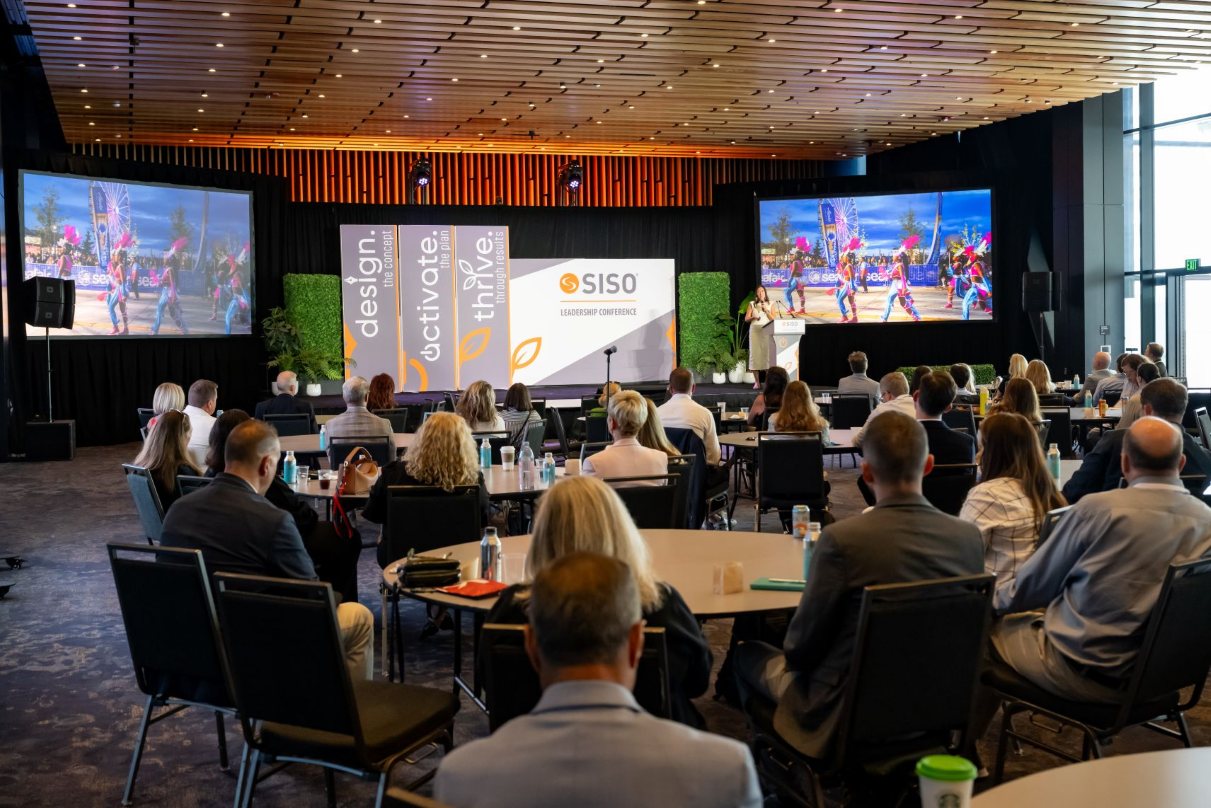
10 Trends Shaping the Future of Face-to-Face Events: Insights from Industry Leaders
The landscape of face-to-face events is undergoing a profound transformation. What was once a relatively predictable industry now operates at the intersection of rapid technological advancement, evolving audience expectations, and complex global dynamics. To remain relevant and drive growth, industry leaders are embracing innovative strategies that redefine value, engagement, and operational excellence. Recent discussions among top event professionals highlighted ten critical trends that are not just shaping, but actively revolutionizing, the future of in-person gatherings.
These insights underscore a collective commitment to agility, data-driven decision-making, and a human-centric approach, ensuring that events continue to be indispensable platforms for connection, learning, and commerce.
1. The AI Revolution in Event Workflows
Artificial Intelligence is no longer a futuristic concept, but a present-day force reshaping every facet of event management. Industry leaders are embracing AI to automate routine tasks, freeing human talent for strategic, judgment-driven work. This augmentation extends from internal workflows, where AI-enabled roles are driving significant productivity and revenue gains, to external engagement. For instance, AI agents are transforming buyer-seller interactions by enabling intelligent matchmaking, personalized outreach, and real-time meeting note capture, turning disconnected moments into high-value engagements. Organizations are also leveraging AI for content ideation and to build comprehensive knowledge bases, accelerating event intelligence. The rapid adoption by younger generations signals an irreversible shift, positioning AI as a critical enabler for innovation and efficiency across the event lifecycle.
2. Hyper-Personalization Through Data and Intent
The era of volume-based marketing is yielding to an imperative for hyper-personalization, driven by sophisticated data strategies. Event organizers are now combining enriched first-party data with external intent signals to precisely identify warm leads and audience segments. This enables tailored messaging across every stage of the customer journey, significantly boosting sales pipeline quality, event registrations, and content relevance. The strategic role of an "Audience Architect" has emerged as crucial for integrating these data insights, optimizing content, and even informing new media offerings. Beyond lead generation, data-driven insights reveal significant post-event content engagement, extending sponsorship opportunities. Furthermore, by consolidating fragmented event data into unified audience platforms, organizations can achieve precise segmentation and cross-brand marketing, transforming event interactions into year-round engagement and measurable return on investment. Even previously overlooked data, such as unscanned badge information, is being activated to identify high-intent prospects, deepening customer relationships.
3. The Rise of Experiential and Community-Centric Events
Events are fundamentally shifting from transactional gatherings to deeply experiential and community-centric platforms. Research indicates that non-attendees are not deterred by price or awareness, but by a lack of conviction that an event will deliver meaningful value, particularly in unique learning experiences, technical competency, and expert interactions. This necessitates a redesign of events, moving beyond commerce-driven models to focus on skill-building and authentic connections. Drawing lessons from consumer shows, organizers are tapping into attendees' passions, fostering emotional engagement and a strong sense of community through interactive features and memorable experiences. The concept of "Vibe Eventing" emphasizes designing events around emotional momentum and human connection, managing the attendee's "Vibe Arc" from anticipation to post-event "reverb." This involves respecting the attendee's "nervous system," avoiding decision fatigue, and incorporating elements like nostalgia and collaborative activities to create peak moments that drive loyalty, advocacy, and repeat attendance.
4. Strategic Ecosystems and Collaborative Partnerships
The modern event landscape demands a profound shift from isolated operations to strategic ecosystem collaboration. This extends beyond traditional vendor-client relationships to encompass deep, trust-based alliances with brands, civic entities, and internal cross-functional teams. For large-scale public events, multi-agency collaboration and shared responsibility are paramount, fostering civic unity and safe gatherings. In the commercial sphere, organizers are moving from transactional sales, focused merely on booth space, to strategic partnerships that deeply align with brand objectives. This involves co-creating immersive, data-driven experiences that deliver measurable business outcomes and meet evolving C-suite expectations. Even in cost containment, vendors are engaged as strategic partners, sharing budget constraints and goals to foster innovation and mutually beneficial solutions. Furthermore, global expansion efforts now rely on cross-functional teams, including finance, legal, and technology experts, to balance growth ambitions with comprehensive risk management and cultural sensitivity.
5. Elevated Focus on Holistic Safety and Resilience
The rapidly changing risk landscape demands a holistic approach to safety and resilience, extending far beyond traditional security measures. Event producers are now required to move beyond static written plans to achieve operational readiness through comprehensive risk assessments, stakeholder coordination, and continuous training. This involves establishing a unified command structure that integrates all partners, from venues to public safety agencies, ensuring clear roles, responsibilities, and decision-making authority. Preparedness must be dynamic, adapting to evolving political, environmental, and crowd-related risks. Critical to this is fostering a culture of psychological safety within teams, where open dialogue, reverse mentoring, and inclusive meeting practices empower all employees to identify risks and contribute solutions. This proactive, collaborative approach not only safeguards attendees but also builds organizational confidence and reputation, ensuring events can navigate unexpected challenges with agility and effectiveness.
6. The Imperative of AI-Driven Event Discoverability
In an era dominated by generative AI, the way audiences discover events has fundamentally changed. B2B buyers are increasingly using AI tools to inform their purchasing decisions, meaning traditional SEO strategies are no longer sufficient. Event organizers must now optimize their content to be part of AI-generated answers, not just highly ranked search results. This requires a shift to clear, persona-focused content that addresses specific audience problems and integrates structured data (schema) to be AI-understandable. Failure to adapt risks AI filling information gaps with competitor content, leading to a significant loss of visibility, registrations, and revenue. The commercial imperative is clear: event websites must be AI-ready to remain discoverable and competitive, transforming how new attendees, exhibitors, and sponsors find and engage with events.
7. Shifting from Transactional to Strategic Brand Partnerships
The relationship between brands and event organizers is undergoing a fundamental redefinition, moving from transactional exchanges to deep, strategic partnerships. Brands are seeking more than just booth space; they demand measurable ROI and immersive, multi-touchpoint experiences that align with their strategic objectives. The increasing involvement of CMOs in event investment decisions necessitates real-time, data-driven reporting that goes beyond traditional lead generation to quantify brand sentiment and emotional impact. Organizers are adopting tiered sales approaches, distinguishing strategic clients who receive consultative, relationship-focused service from transactional ones who benefit from automated processes. This shift aims to extend event engagement beyond the physical show, creating continuous brand presence and measurable value throughout the year, fostering trust and long-term collaboration.
8. Mastering Cost Containment Through Intentional Spending
With escalating costs across venues, labor, and F&B, event organizations are moving beyond indiscriminate cost-cutting to embrace intentional spending. The core strategy is zero-based budgeting, which involves rebuilding budgets from scratch based on current attendee needs and desired outcomes, rather than simply adjusting historical spend. This approach mandates a critical evaluation of every expense, segmenting costs into categories to protect, optimize, or eliminate, always with an eye on enhancing attendee value. Benchmarking unit costs per attendee, exhibitor, and square foot helps identify inefficiencies. Crucially, vendors are engaged as strategic partners, with organizers sharing budget goals and desired outcomes to co-create innovative, cost-effective solutions. Savings are then reinvested to either enhance customer experience or bolster margins, ensuring financial resilience and sustained event quality.
9. International Markets: Balancing Growth with Cultural Nuance
The global trade show market is characterized by increasing operational similarities, yet successful international expansion hinges on understanding and respecting distinct cultural and operational nuances. While the U.S. remains a dominant market, emerging regions, particularly in Southeast Asia, present significant growth opportunities. International expansion requires a strategic balance of aggressive growth and cautious risk management, emphasizing early planning, cross-functional collaboration, and deep cultural adaptation. Organizers must prioritize making it easy for international exhibitors to participate by simplifying policies, leveraging peer-to-peer engagement, and fostering long-term relationships built on trust. Furthermore, proactive crisis management and flexible contracts are essential to navigate geopolitical uncertainties and fluctuating market conditions, underscoring the importance of diplomacy and continuous adaptation to global dynamics.
10. The Media-Event Convergence: Fueling Growth and Community
For many media brands, live events have become a powerful growth engine, capitalizing on the unique value of in-person interactions. This trend sees media companies integrating journalism with community engagement through a multifaceted approach that includes events, podcasts, newsletters, and meetups. Revenue streams are diversified across digital advertising, event sponsorships, underwriting, and branded content studios, ensuring resilience and growth. Events are transforming from large-scale, multi-day conferences to more focused, curated experiences, including VIP networking and intimate salon-style dinners that foster authentic, off-the-record discussions among industry leaders. A strict separation and transparent labeling between editorial and sponsored content are crucial for maintaining journalistic integrity and building trust with both audiences and sponsors. By leveraging their existing platforms and content expertise, media brands are enhancing attendee experience, deepening community connections, and creating new revenue streams, positioning events as vital components of their overall business strategy.
Conclusion
The future of face-to-face events is dynamic, challenging, and filled with immense opportunity. The trends highlighted by industry leaders at SISO reveal a clear path forward: one that prioritizes data-driven precision, human-centric design, and strategic collaboration. From leveraging AI to personalize experiences and optimize discoverability, to fostering psychological safety within teams and building deep, strategic partnerships, the industry is recalibrating its approach to value creation. Events are evolving into indispensable platforms for community building, unique learning, and meaningful commerce, requiring agility, innovation, and a relentless focus on delivering unforgettable experiences. Those who embrace these transformations, investing in technology, talent, and authentic connections, will not only survive but thrive, continuing to shape strategic narratives and drive significant business outcomes. These insights, powered by Rozie Synopsis, illuminate a future where events are more impactful, more intelligent, and more human than ever before.
This article was created using Rozie Synopsis, an award-winning AI event experience platform that helps organizers turn event knowledge and booth conversations into leads and revenue.
Want to capture speaker insights like this at your next event? Book a strategy call here