8 SaaS Conference Marketing Ideas for 2026

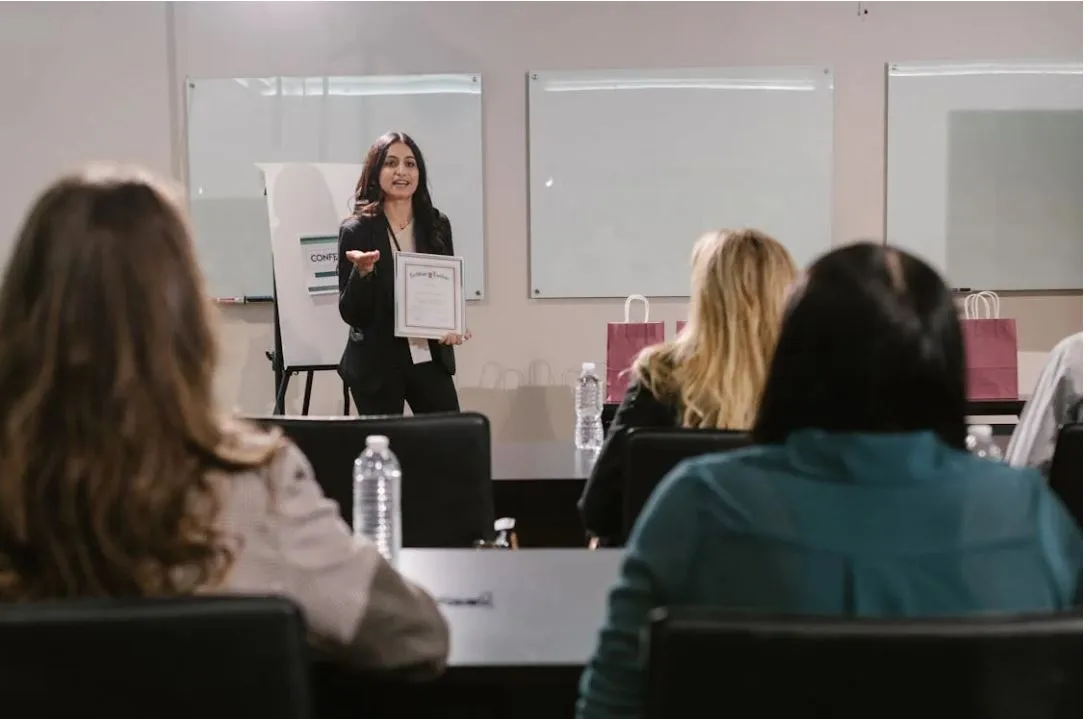
Combine community-led pre-event buzz, gamified on-site engagement, and fast post-event content that keeps generating leads long after the event ends. Organizers running saas conferences don't need convincing that in-person still works.
Bizzabo's 2026 report found that 78% of organizers call in-person conferences their most impactful marketing channel.
The eight ideas below cover the full lifecycle, from the first teaser email to the content that outlives the event itself.
1. Run community-led giveaways
Partner with industry influencers or media outlets to offer free tickets, a short consultation with a keynote speaker, or a year of a relevant subscription. This works best when the giveaway is tied to something the attendee actually wants, not a generic prize.
Framing it around a specific pain point tends to draw a more qualified entry pool than a blanket ticket raffle.
- Tie the prize to a real pain point, like a free audit, instead of a generic ticket giveaway
- Partner with one or two influencers per segment rather than spreading the budget thin across many
- Require a short answer (not just an email) to enter, so the pool self-filters for intent
2. Turn registration into a game with interactive teasers
Run micro-quizzes with registered attendees, where top scorers unlock VIP lounge access or premium swag. Tie the quizzes to specific tracks so registrants for multi-track conferences can self-select the sessions they care about before day one.
- Build one quiz per track so scores double as a self-selection signal for session planning
- Cap the reward tier at something scarce, like lounge access, not something everyone can unlock
- Send quiz results with a track recommendation, not just a score
3. Arm speakers and sponsors with trackable promo kits
Give speakers and sponsors ready-to-use visuals, templates, and trackable links so their own networks help spread the word. Budget for this kind of buzz-building is easier to justify than it was two years ago, with AMEX GBT research showing event professionals expecting increased meeting spend in 2026.
- Provide a ready template, not a blank brief, so busy speakers actually use the kit
- Give each speaker and sponsor a unique trackable link to measure real reach
- Set a soft deadline for kit distribution 6-8 weeks out, so networks have time to post
4. Skip the pitch with soft openers
Booth apparel with an inside joke or a specific metric, like an MRR milestone, invites questions instead of forcing a script.
It works because attendees show up wanting information first, and Bizzabo research shows 71% believe in-person B2B conferences are the most effective way to learn about new products.
- Lead with a curiosity hook (a metric, a joke) instead of a company tagline
- Train booth staff to answer the hook first, pitch second
- Rotate the hook mid-event if it's not generating stops by day two
5. Replace swag with gated benchmarking reports
Swap generic merch for pocket-sized benchmarking reports or state-of-market summaries attendees can use right away. Reports that answer a specific question tend to get kept, unlike branded pens that get left on the table.
- Title the report around one specific question, not a broad "state of the industry"
- Gate only the full report, give away the summary page freely at the booth
- Follow up the email capture within 48 hours while the report is still top of mind
article-cta
6. Use smart matchmaking and lead retrieval
Lead retrieval apps that scan badges and trigger personalized follow-ups save reps from chasing cold lists after the event. Short internal challenges between demos also keep the energy alive.
- Set the follow-up trigger to fire same-day, not batched at the end of the event
- Give reps a lightweight internal leaderboard to keep booth energy up between demos
- Tag leads by session attended at scan time, not manually after the fact
7. Retarget attendees who didn't convert on-site
Segment leads by session attendance, then run ad campaigns targeting interested attendees who didn't book a demo on-site. Timing matters here: companies that follow up within 24 hours see 3x higher pipeline value than those that wait a week or longer.
- Segment the retarget list by session, not just by "attended vs. didn't attend"
- Launch the campaign within 24 hours of the event ending, not the following week
- Use a session-specific offer in the ad, not a generic "come back and talk to us"
8. Repurpose recorded sessions into gated content
Record sessions, workshops, and interviews, then repurpose them into gated lead magnets or blog posts. Sharing this content through media press briefings also gives sponsors a reason to renew, since it extends their visibility past the event dates.
- Turn one session into three formats (clip, blog, gated PDF) instead of one long recording
- Gate the deepest-value piece only; keep a teaser clip public to drive traffic to it
- Loop sponsors into press briefings so repurposed content extends their visibility too
Turn Every Session into a Pipeline with Rozie Synopsis
Nurture campaigns and retargeting only work if the content behind them exists in a usable form fast, and that's where most SaaS conference teams lose time.
- Live session capture: Records spoken content from every panel, breakout, and keynote in real time, with no manual transcription required
- Session summaries and key takeaways: Structured documentation ready for attendees, press, and sponsors within hours, not days
- Track debriefs: Content organized by theme, showing organizers which sessions resonated and which topics to anchor the next edition around
- Post-event knowledge hub: A centralized, searchable repository where every session, summary, and debrief lives together
- AI Knowledge Advisor: Let attendees query conference content after the event ends, keeping the conversation active between editions
- AI Knowledge Studio: A workspace where marketing teams generate blogs, newsletters, and social posts directly from structured session data
This kind of infrastructure carries over to sponsors and exhibitors, too. The same session summaries that engage attendees also work as sponsor ROI proof points for renewal conversations, and repurposed sessions feed directly into an event content pipeline that outlasts the event dates.
Organizers using this content strategy consistently also see it strengthen attendee engagement year-round, not just during the three days on-site.
If you're planning a SaaS conference for 2026, talk to us about fitting it into your program.